
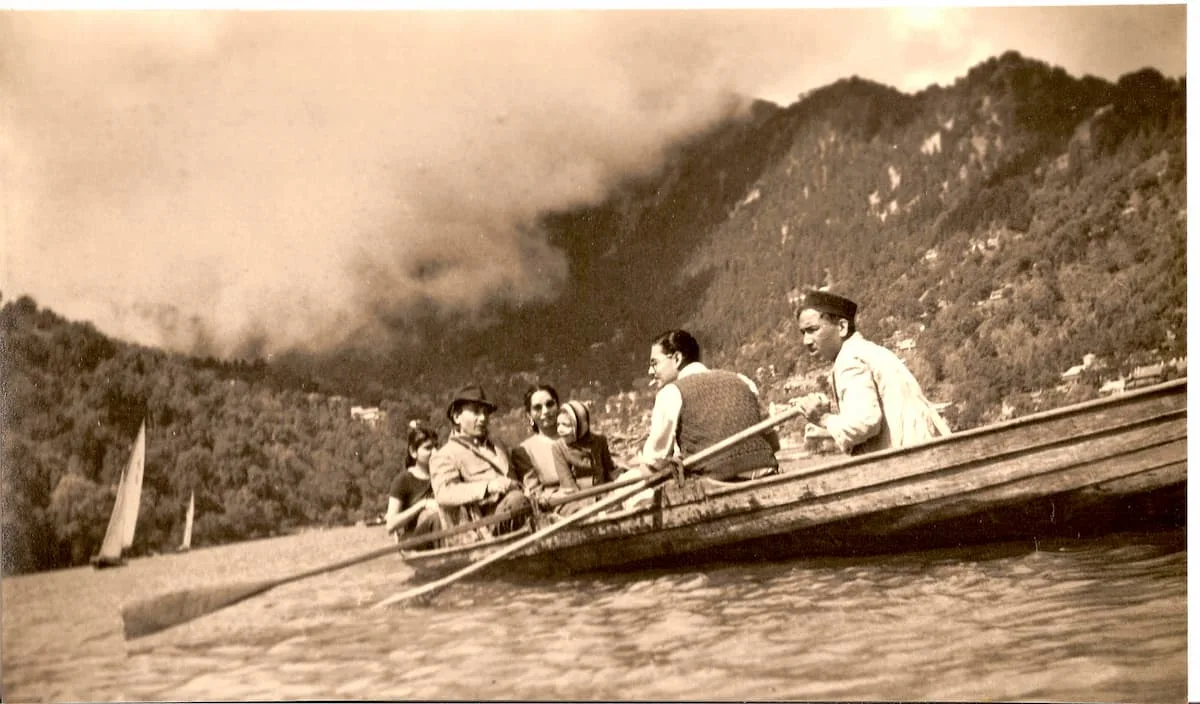
Our Legacy
“Four Generations. One Responsibility.”
Still in the Family (And Proudly So)
Before We Had a Say in the Matter
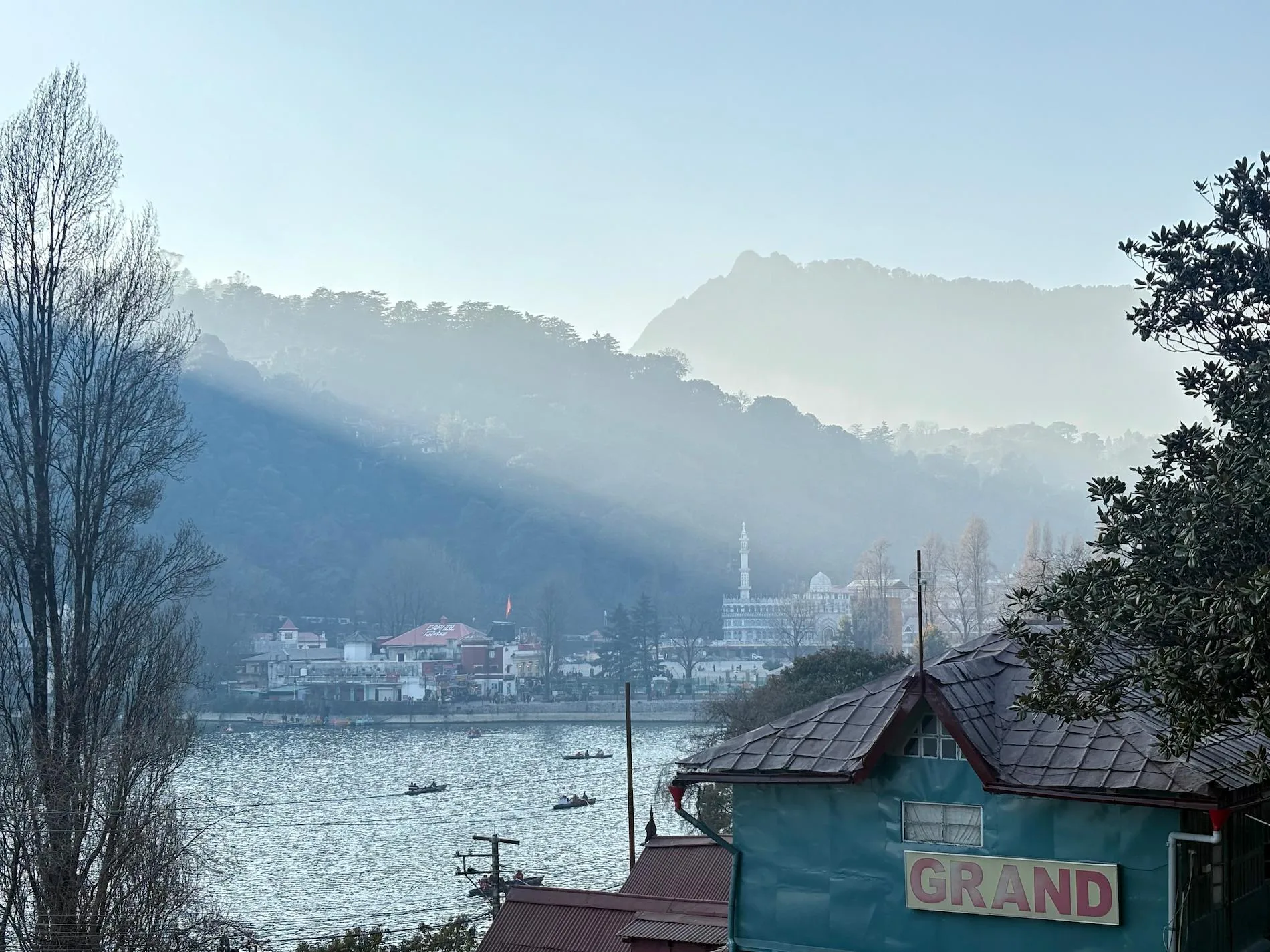
The Grand Hotel was built in 1872 by an Englishman, Mr Tom Murray, at a time when Nainital itself was still deciding whether it wished to be picturesque, proper, or faintly scandalous. Among the very first hotels in town, it remains the oldest continuously running hotel in Nainital.
In its early years, the hotel answered to several names. It began life as The Albion, later became The Mayo, and finally, in 1898, settled into the name it wears today with quiet confidence. For its first sixty years, it changed hands and character more than once. Much of that chapter remains undocumented. Our family entered the picture in 1933.
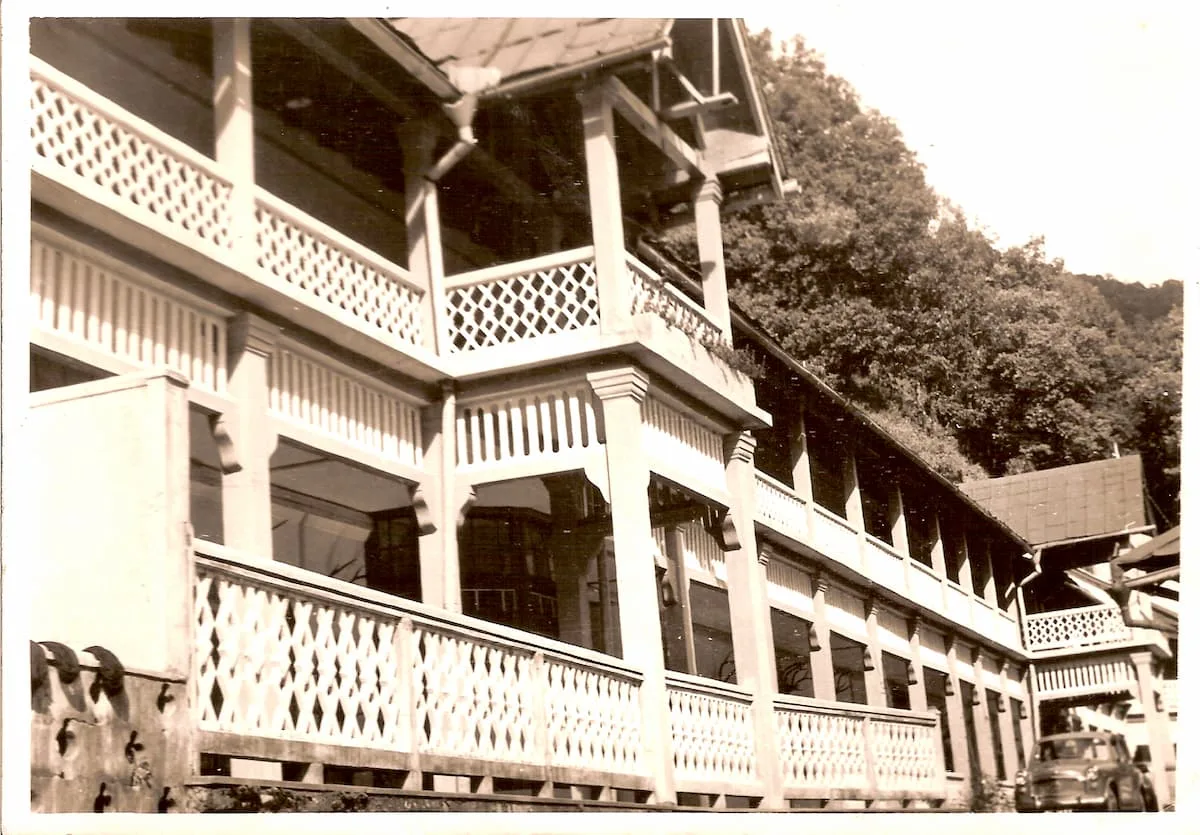
When the House Found Its Keepers
On 7 October 1933, our great-grandfather Mr Badri Dutt Pande purchased the hotel from Mr Ian Fitzgerald Campbell for the princely sum of Rs 60,000. It was meant to be a sensible investment. Solid. Dependable. No one imagined it would become a lifelong responsibility, or a recurring topic at family dinners for generations. The real transformation began after the Second World War, when his son Mr Keshav Dutt Pande returned home. An engineer by training and an army man by temperament, he believed in preparation, order, and doing things properly the first time.
Hospitality was not his profession. Systems were. So, he studied plumbing, electricity, heating, and structure with the seriousness others reserved for poetry. Manuals became bedtime reading. Many of those books still sit in the house library today, annotated by a man who took comfort in knowing exactly how things worked.
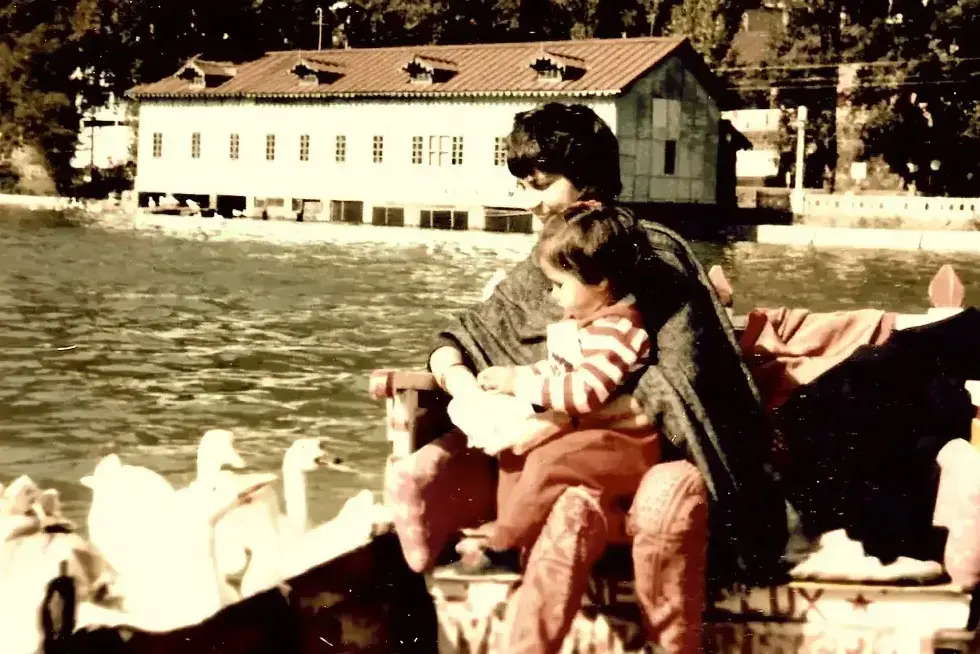
When a Gong Meant Business
In the 1950s and 60s, The Grand ran on full board and lodging, and it ran like clockwork. Meals were announced by a gong. You did not debate with it. Breakfast, lunch, and dinner arrived precisely when intended. If you were late, that was entirely your affair.
Rooms were fitted with a bell system. When pressed, a numbered flap dropped at the reception desk. The bellboy watched carefully, noted the number, and ran. No phones. No shortcuts. Just speed, attentiveness, and an excellent memory. Hot water came from wood-fired boilers and was carried by hand through service corridors behind the rooms. Those doors still exist. They are not decorative flourishes. They are proof of how things were done.
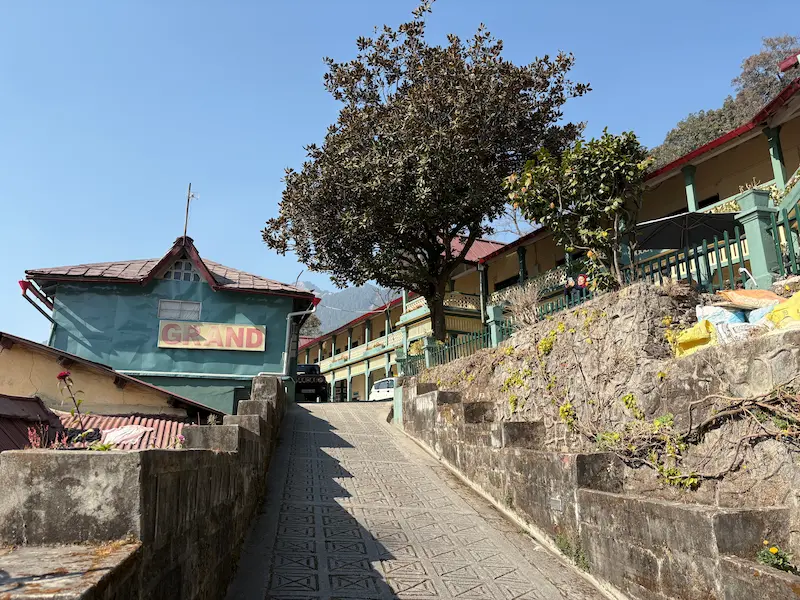
A Spot of Trouble, Nicely Overcome
Every old house earns its dramatic chapter. Ours arrived in November 1976, when an unattended log fire set part of the wooden structure ablaze. By morning, an entire wing had been lost.
The town concluded, quietly but firmly, that this was the end of The Grand. But it was not. Under the direction of Mr Keshav Dutt Pande and his cousin Mr Ghananand Pande, former Chairman of the Indian Railway Board, the hotel was rebuilt over a single winter. By the next summer season, it reopened. Guests returned. The rhythm resumed. Continuity prevailed, which is always preferable to melodrama.
Familiar Faces, Famous Names
Over the decades, The Grand has welcomed many notable visitors. Pt Jawaharlal Nehru dined here in the 1950s. Dilip Kumar stayed during the filming of Madhumati, famously asking staff to serve tea to the fans gathered outside. Rajesh Khanna stayed with us during the shooting of Kati Patang, with the hotel appearing quietly in the background of “Jis Gali Mein Tera Ghar.”
In the early 1950s, the Queen of Nepal stayed at The Grand. The occasion is fondly recalled in our grandmother Mrs Rama Pande’s excited letter to her husband, noting that she sent up the family carpets to the royal rooms. One does these things properly.
A House That People Return To
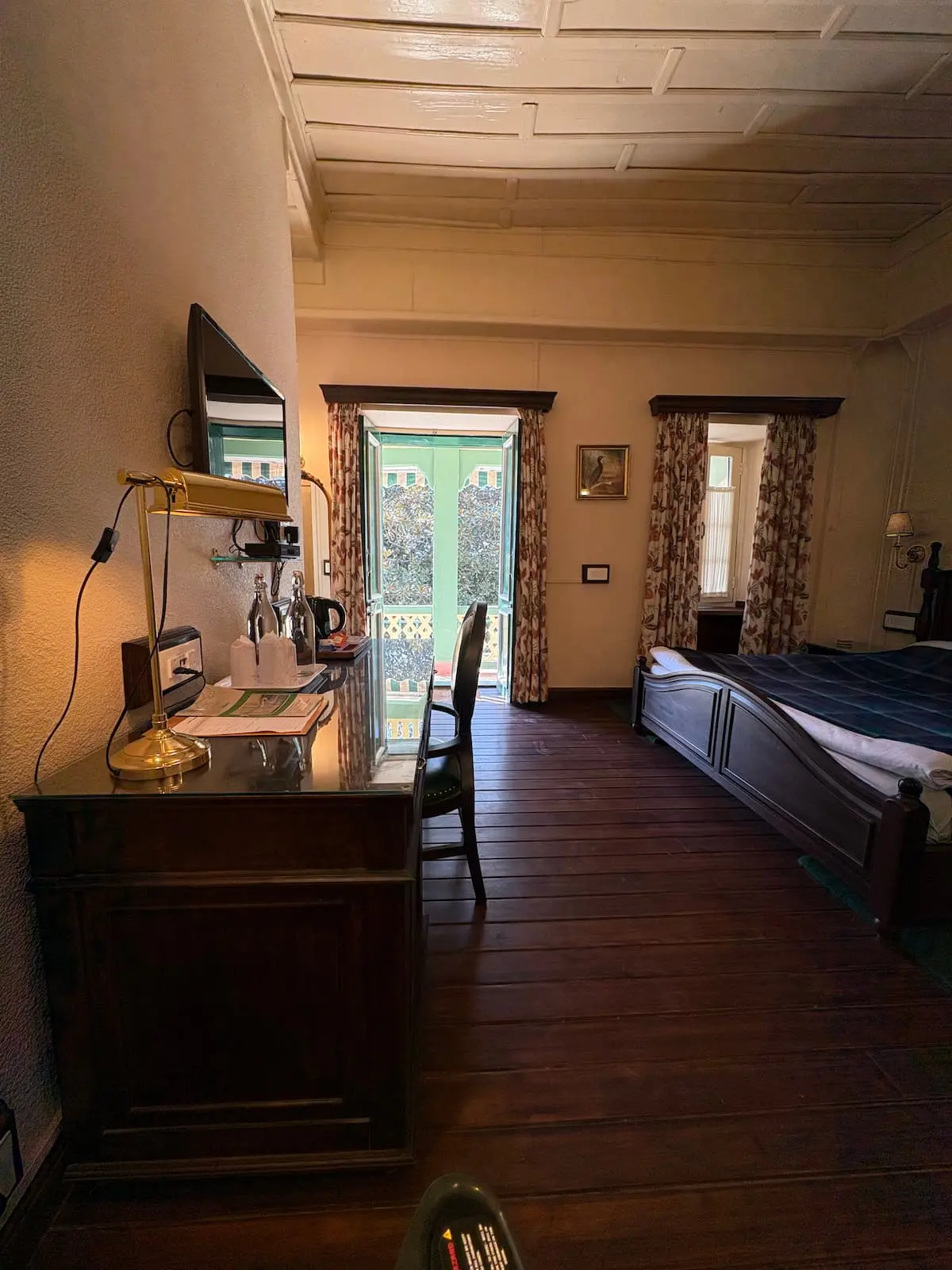
Many families once spent entire summers here. Trunks arrived early, stayed behind, and were stored until the following year. Children grew up racing down corridors, riding horses in the mornings, and waiting patiently for boating time.
Romances blossomed here. Honeymoons were celebrated and, fifty years later, golden anniversaries too. Today, guests return with children and grandchildren, often asking for 'their rooms.' Long before it became a phrase, The Grand championed slow travel. Lingering stays. Familiar faces. Time taken seriously.
Still Here. Still Personal.
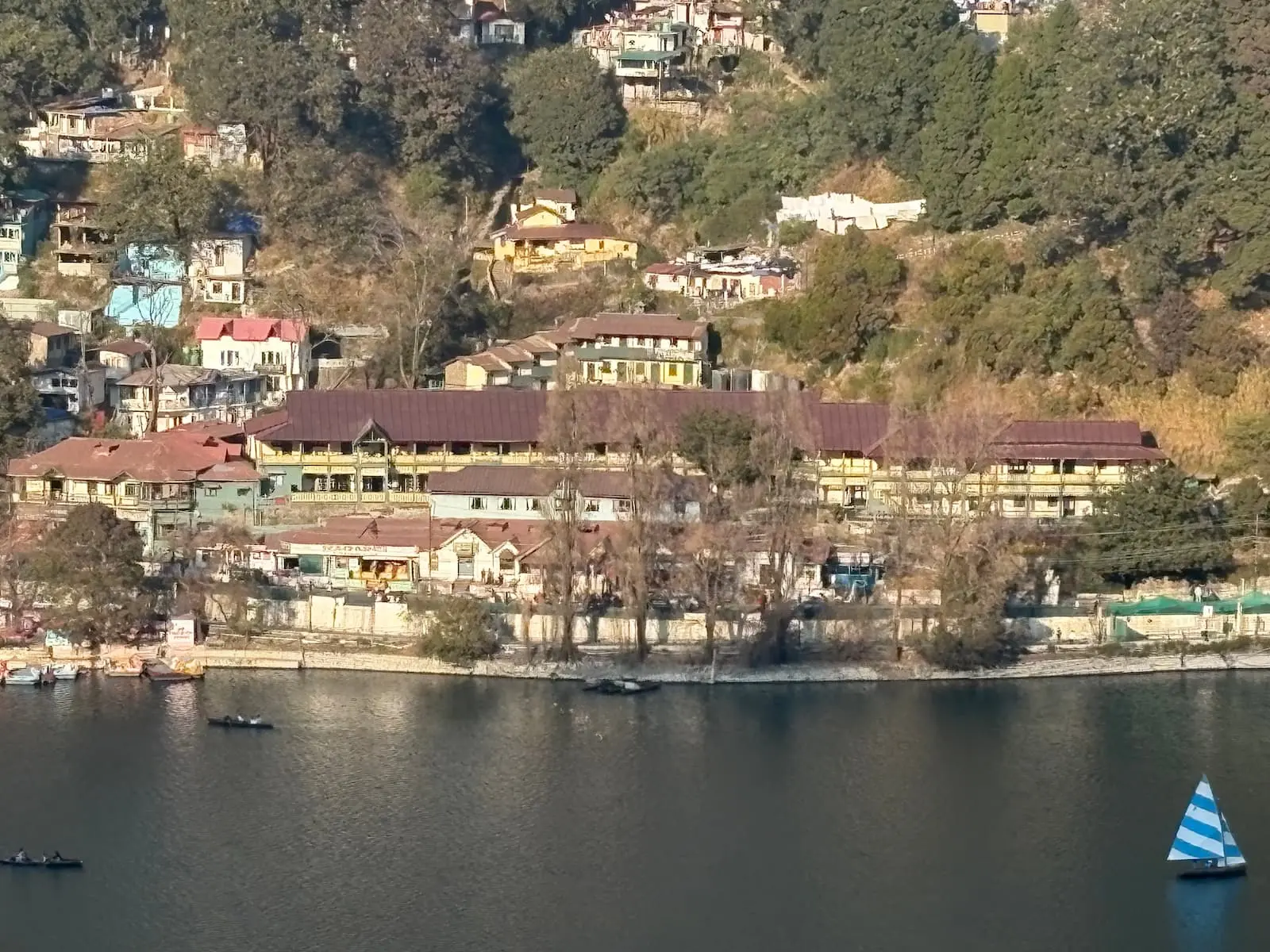
Today, The Grand is cared for by the fourth generation of the Pande family. The gong no longer dictates the day, but the values remain unchanged. Care over spectacle, familiarity over formality, and hospitality that feels human rather than manufactured.
If you are an old guest of The Grand, welcome back. If you are visiting for the first time, welcome to the family.
On Behalf of Four Generations of the Pande Family